In this gas stove safety guide, we will explore the safety measures and precautions that can protect your kitchen from gas leaks and accidents. We will cover everything from daily habits to emergency situations, using real-life examples. After reading this article, you will feel more confident and prepared while handling your kitchen gas stove.
Imagine you are preparing to enjoy a delicious meal cooked by a family member. A wonderful aroma fills the air, making the moment joyful. But a sudden accident with your gas stove can turn that happiness into a dangerous situation. Incidents like this remind us how important gas stove safety is for every home. Gas leaks or improper handling can create serious hazards. In this article, we will share essential tips to help keep your kitchen—and your family—safe.
Let’s learn how to make your kitchen safe with our Gas stove safety guide.
Understanding the Risks of Gas Stoves
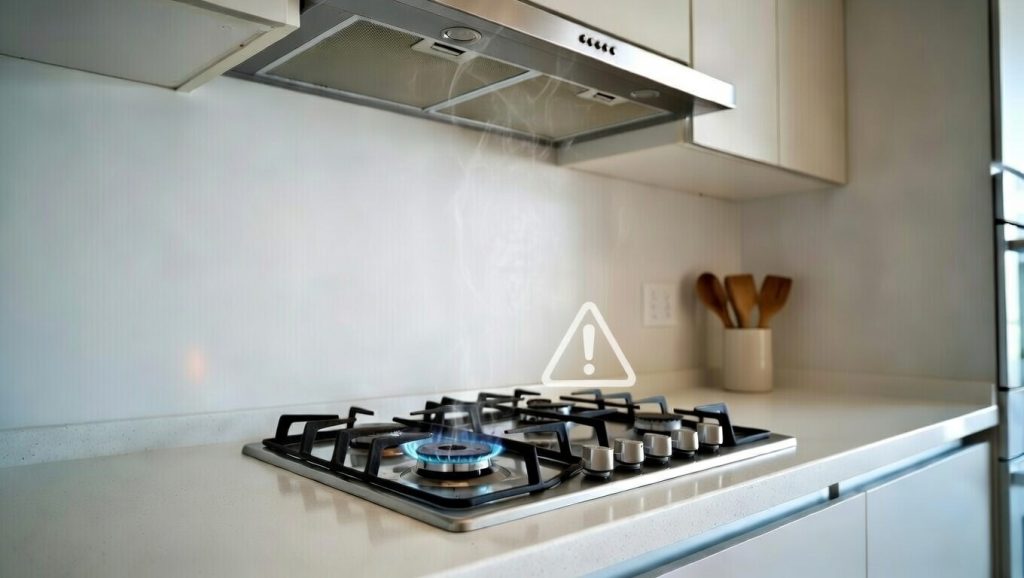
Imagine one day the gas supply is stopped for maintenance. What would you do? You might need to switch to an induction stove or a wood-fired stove. This clearly shows why gas stoves are so popular in our daily lives. Their quick heating and even flame make cooking easier and more convenient than with other cooking instruments. However, this natural source of energy can be hazardous if not used properly. One major risk is gas leakage, which can lead to sudden fires or even carbon monoxide poisoning.
Another common cause of concern is improper combustion. When burners are not properly adjusted, they can produce toxic gas and smoke. Imagine a moment when you are boiling water in a large pot, and the overflowing water suddenly puts out the flame. This can cause gas to leak silently, creating a dangerous situation. In addition, older gas stoves that lack modern safety features can significantly increase the risk of gas leakage and kitchen accidents.
To reduce these risks, it is important to recognize the warning signs of a gas leak. In this Gas stove safety guide we mentioned first, a rotten egg smell may appear when gas is escaping. Second, symptoms like headaches and dizziness can occur in the human body, which are serious indicators of carbon monoxide buildup. Understanding these warning signs is the primary step in ensuring gas stove safety. Recognizing them can help you take the necessary action before an accident happens.
Proper Installation and Setup
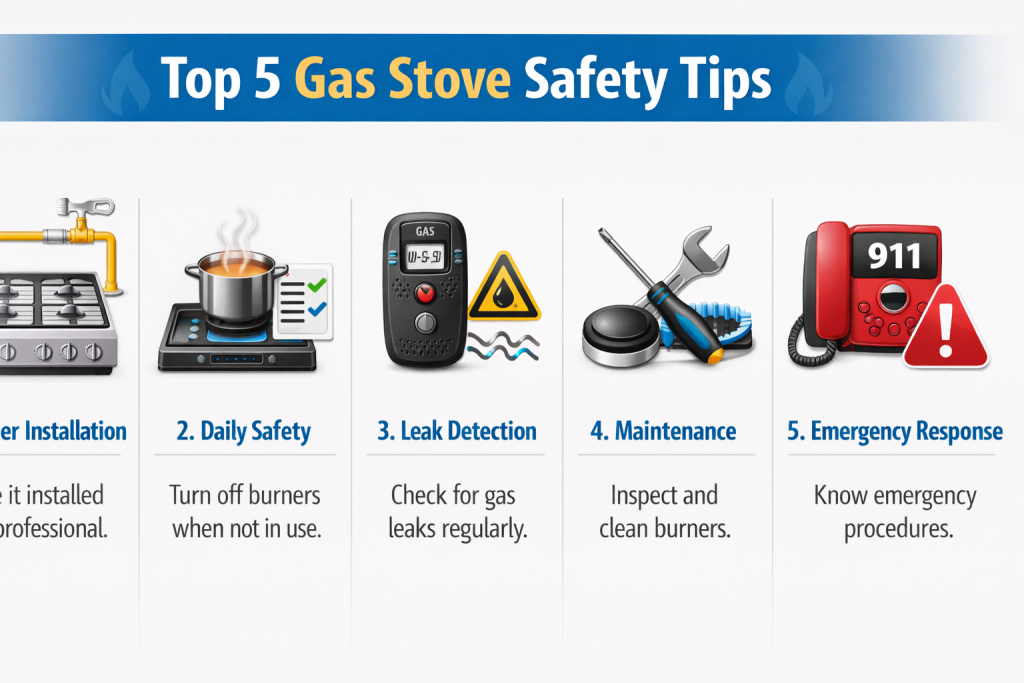
Now let’s discuss installation concerns. Proper installation is the first step in ensuring safety. A professional and qualified person should always be appointed for this work. They have the skills to make sure all stove connections are correctly managed and comply with local rules and regulations.
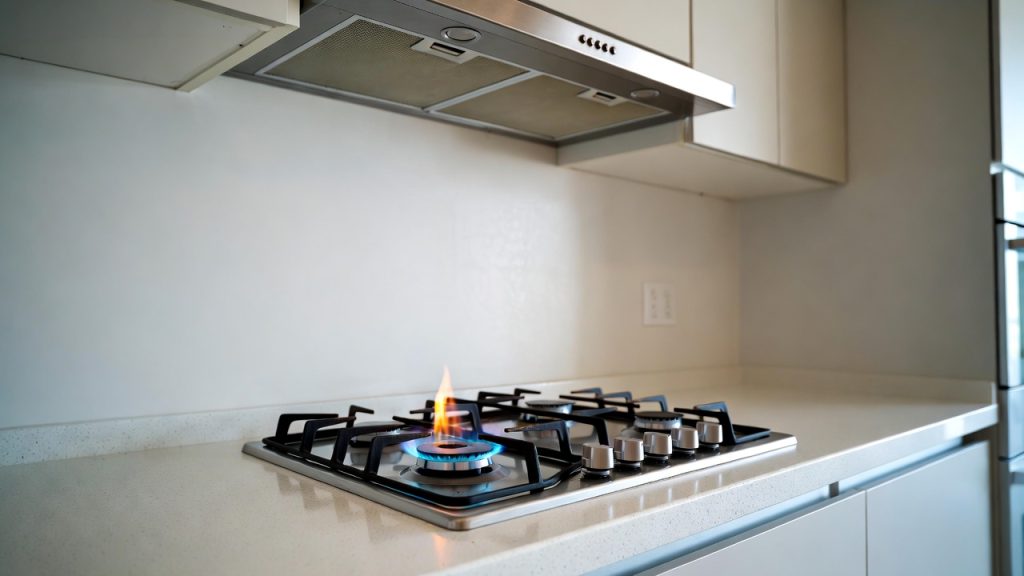
Position your stove in a well-ventilated area where air can circulate freely and light can reach easily. Do not install it near a window, as drafts from the window can extinguish the pilot light. Keep curtains, paper towels, and other combustible materials at least three feet away from the stove.
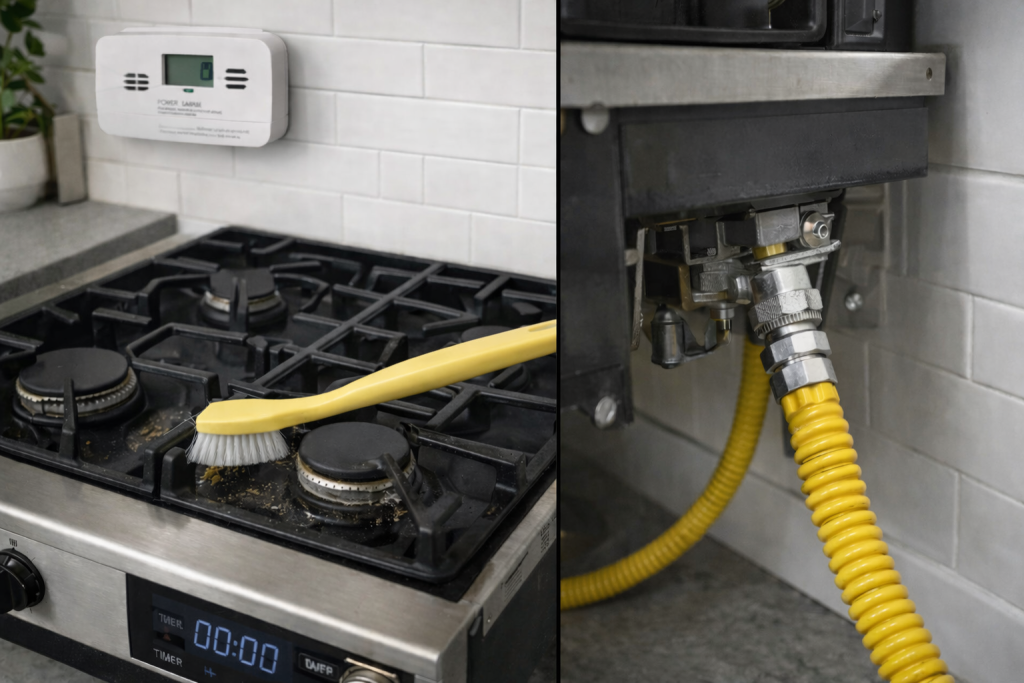
Check the safety features during installation. Modern stoves often come with automated shut-off valves or flame failure devices that can stop the gas flow if the flame goes out. If your stove is older and lacks these features, consider upgrading it or installing a flame failure device immediately. Additionally, install a carbon monoxide detector near your stove. This device adds an extra layer of safety to your kitchen. Proper setup is not only important for the stove’s functionality but also essential for the daily safety of your family.
Gas stove safety guide: Daily Safety Practices for Gas Stove Users
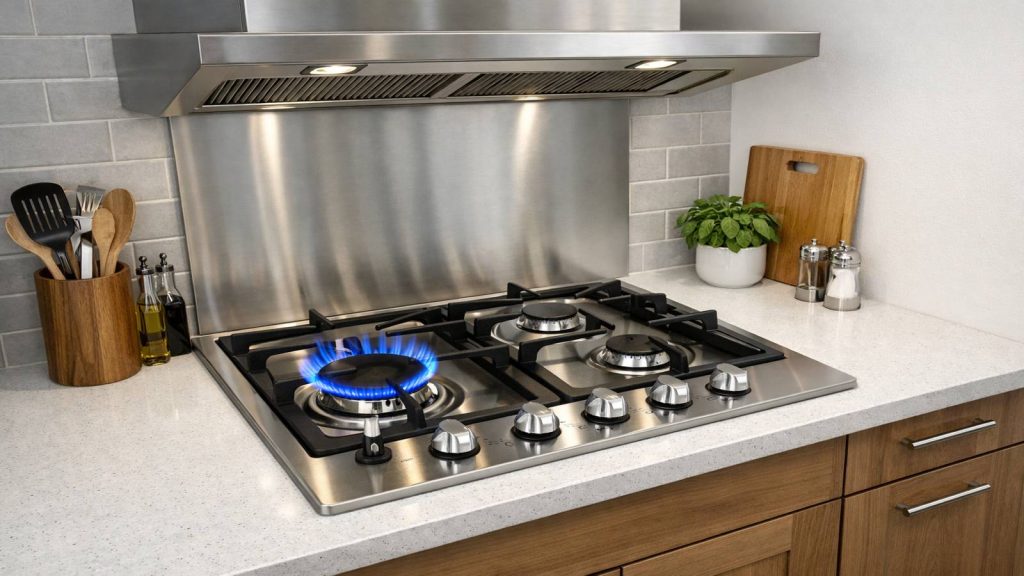
Everyday habits play a major role in preventing kitchen accidents. Start with a simple practice—always turn off the gas knob after cooking. Although it seems basic, it is easy to forget during the rush of meal preparation. For beginners, setting a reminder on your mobile phone can help until it becomes a natural habit.
Never leave the stove unattended while cooking. A short phone call or small distraction can quickly turn into a risky situation. For example, boiling water may overflow, extinguish the flame, and increase the chance of gas leakage or fire.
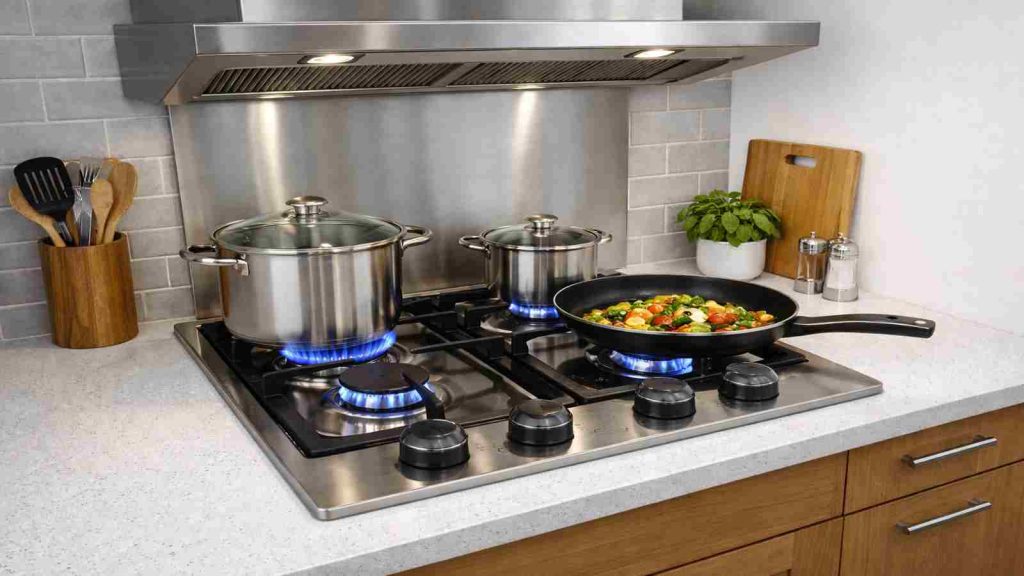
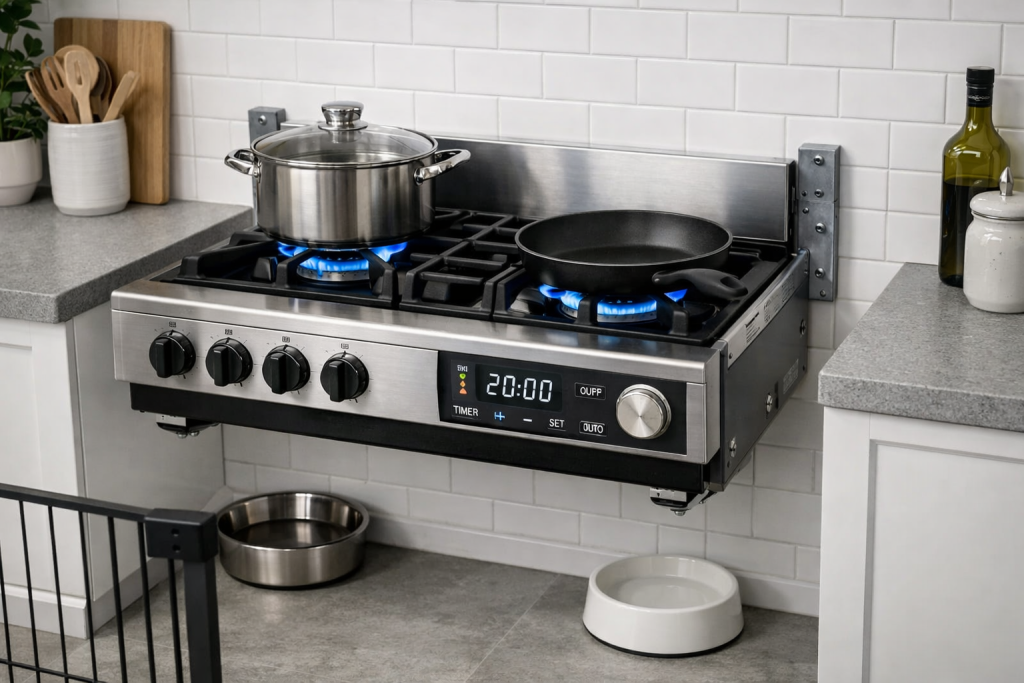
In addition, always use proper cookware. Very small or unstable pots can tip over and cause spills. Choose cookware with a flat and stable base that fits the burner properly.
Child safety is another important concern. Install knob covers or safety locks to prevent children from accidentally turning on the gas. Teach kids about kitchen dangers at an early age. Finally, keep matches and lighters out of their reach. These simple habits can make your kitchen safer and cooking more peaceful every day.
Gas stove safety guide: Detecting and Handling Gas Leaks
Gas leaks are silent but extremely dangerous in nature. The good news is that you can detect a leak by following a few simple techniques.
First, listen carefully for any hissing sound near the stove or gas connections. If you notice a smell similar to rotten eggs or sulfur, take immediate action. Open all windows and doors to allow fresh air to circulate. Avoid turning on lights, fans, or any electrical appliances, as even a small spark can be dangerous.
To check for leakage, prepare a solution of soap and water and apply it to the gas pipe joints. If bubbles appear, it indicates a leak. In that case, shut off the main gas supply and contact a qualified professional. Never attempt to fix the issue yourself, as this can be extremely risky.
If the smell is strong, move all family members and pets outside the house immediately. Then contact the gas service authority or emergency services from a safe location. Avoid using mobile phones inside the house during a suspected gas leak.
In addition, inspect the gas hose regularly every few months to check for cracks, wear, or loosened connections. Regular inspection and precaution can prevent dangerous situations. When leak detection becomes part of your gas safety routine, your confidence and kitchen safety will improve significantly.
Gas stove safety guide: Maintenance Tips to Keep Your Stove Safe
Regular maintenance can improve the durability of your gas stove and significantly increase safety over time.
Oil and grease buildup on burners can increase the risk of fire. Therefore, clean the burners weekly using mild soap and a soft brush. Avoid hard brushes, as they may damage important stove components.
Check the ignition system regularly. If you hear a clicking sound but no flame appears, it may indicate a technical issue that needs attention.
Arrange a professional inspection at least once a year. A trained technician can identify hidden problems that are difficult to notice, such as worn seals or damaged gas connectors. Think of your stove like a car—regular servicing keeps everything running smoothly.
Over time, gas hose pipes can become weak and brittle, increasing the risk of leakage. Replace worn parts at proper intervals. Keep the user manual within easy reach so you can quickly find important instructions when needed.
Also, make sure ventilation and air circulation areas remain clean and unobstructed. Poor airflow can cause toxic gases to accumulate and lead to suffocation.
These maintenance practices not only improve safety but also extend the lifespan of your stove and help reduce gas and electricity usage in the long run.
Emergency Responses: What to Do When Things Go Wrong
Emergency situations can happen at any time, but being prepared can make them easier to handle.
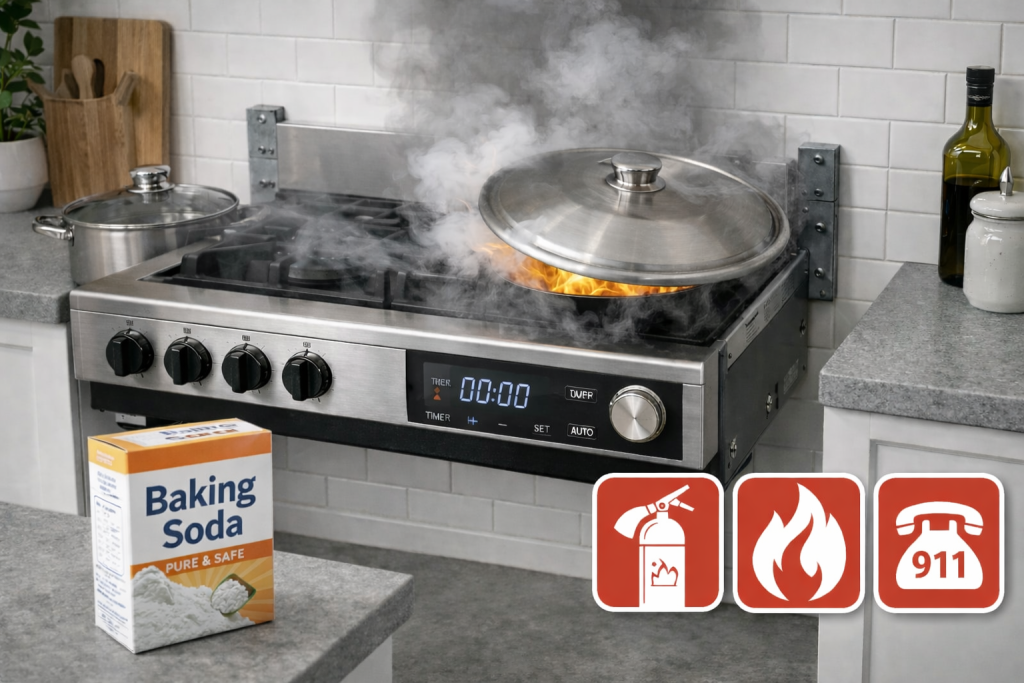
If a burner catches fire, do not panic. First, turn off the gas supply if you can safely reach the control knob. Never pour water on a gas fire, as it can cause the flames to spread rapidly. Instead, cut off the air supply by covering the flame with a metal lid or use baking soda to help extinguish it.
If the carbon monoxide detector alarm sounds, move immediately to a place with fresh air. If anyone experiences symptoms such as nausea, dizziness, or breathing difficulty, seek medical help right away. Install multiple carbon monoxide detectors in your home so that all areas are properly covered.
In addition, practice fire drills regularly with your family as recommended by fire safety authorities. Teach everyone how to use a fire extinguisher and how to respond calmly during emergencies. Keep emergency contact numbers clearly displayed on a kitchen wall for quick access.
Most importantly, stay calm, respond quickly, and always place safety as your highest priority.
Gas Stove Safety Guide: Additional Safety Considerations for Special Situations
Additional care is necessary in certain situations. If elderly people live in your home, consider using a gas stove with an automatic shut-off timer. These features can turn off the burner in specific situations and help reduce the risk of accidents.
Keep pets out of the kitchen while cooking. Curious animals may knock over pots or kitchen tools, which can lead to serious injuries or fires.
If you live in a flat or apartment, inform your landlord immediately about any issues with the gas line. The risk does not affect only your home—it can endanger the entire building and its residents.
In addition, avoid using electric ignition stoves during load shedding. If you live in an earthquake-prone area, secure the stove firmly to the wall to prevent it from tipping over during tremors.
Final Thoughts
Your most powerful safety tool is your awareness. By following these tips—from proper installation to daily cooking habits—you can create a safer environment for yourself, your family members, and even your neighbors.
Be proactive. Check your burners and gas connections at regular intervals. Continue learning about kitchen safety and share this knowledge with your family. When everyone stays informed and alert, the risk of accidents can be greatly reduced.
If you notice a gas smell, do not light a match or turn on any electrical switches. Immediately open the windows and doors to allow proper air circulation. If the stove is on, carefully turn it off. Evacuate everyone from the house and contact a professional technician or emergency gas service as soon as possible.
Yes, regular cleaning is very important. You should clean the burners at least once a week using mild soap and a soft brush. Avoid harsh chemicals or hard brushes, as they may damage the burner parts.
Gas stoves can be safe if proper precautions are taken. Use knob covers or stove locks to prevent children from turning on the gas. Never leave children alone in the kitchen, and teach them basic kitchen safety rules from an early age.
It is not recommended to install a gas stove on your own. For safety reasons, always hire a qualified and experienced technician who can ensure proper installation according to safety standards.
Common symptoms include headache, dizziness, nausea, and fatigue. Installing a carbon monoxide detector is highly recommended. If the alarm sounds, move immediately to a fresh-air area and seek medical help if symptoms appear.



Pingback: Best Non Toxic Cookware for Healthy Cooking (2026 Guide) - kitchengenius.shop