
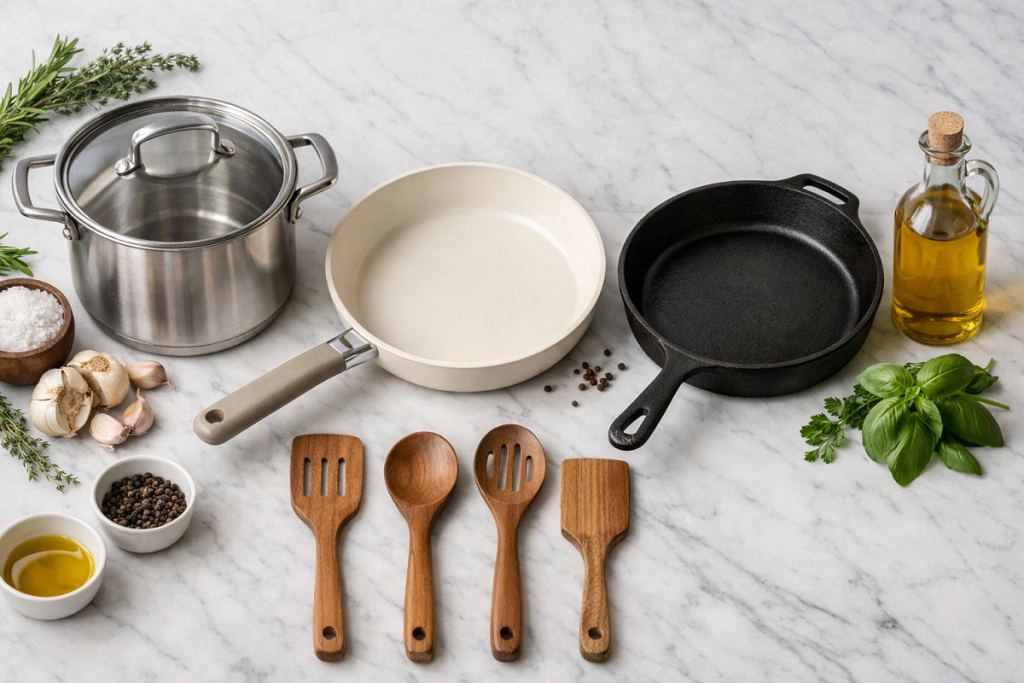
Cooking should be a comfortable and enjoyable process, not something confusing or stressful. However, many home cooks ask an important question every day: Is my cookware safe? In recent years, people have become more aware of the chemicals found in some non-stick coatings and low-quality materials. That is why non-toxic cookware has become one of the most talked-about kitchen trends in 2026.
If you are a beginner or cook mainly for your family, choosing the right cookware can make your kitchen both healthier and more enjoyable. The good news is that you don’t need to be a professional chef or have extensive technical knowledge to make smart decisions.
In this guide, we will focus on the best non-toxic cookware for everyday cooking. We will explain which materials are safest and which ones you should avoid. Think of this as friendly kitchen advice designed to help you create a safer and healthier cooking environment at home.
Why Non-Toxic Cookware Matters for Everyday Cooking
Cookware is something we use every day in our kitchens. From frying eggs and vegetables in the morning to simmering soup at night, these tools are a regular part of our daily cooking routine. However, some cookware materials may release harmful chemicals when they become overheated or scratched. Over time, this type of exposure can become a concern for health-conscious families.
Non-toxic cookware often performs better in the long run because it is designed to be more durable, free from questionable coatings, and safer for everyday cooking.
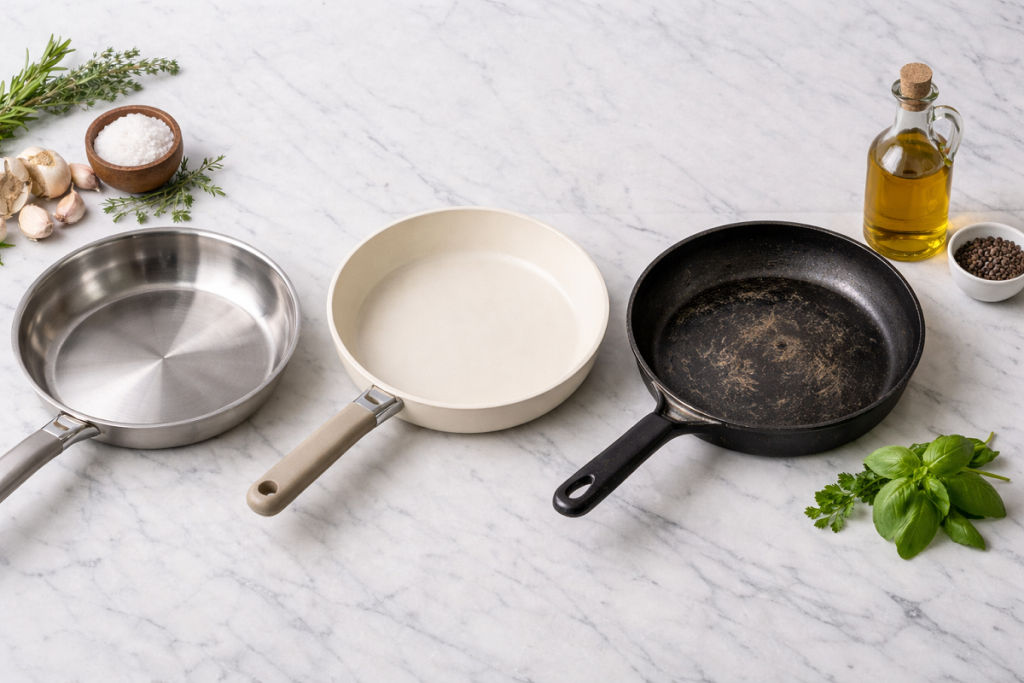
Best Non Toxic Cookware for Everyday Cooking: Top Safe Materials (2026)
Let’s explore the safest cookware materials that home cooks trust the most today.
1. Stainless Steel (Reliable and Long-Lasting)
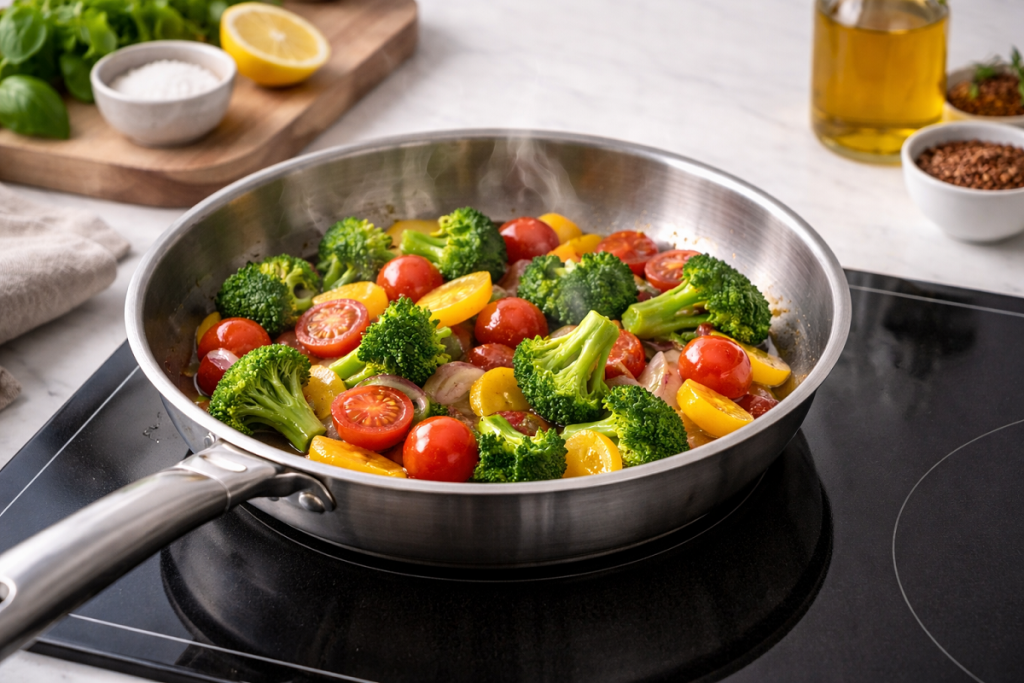
There is no doubt that stainless steel is one of the most popular choices for healthy kitchens.
Why it’s a great option:
- Contains no chemical coating
- Highly durable and long-lasting
- Ideal for sautéing, boiling, and browning
Kitchen tip:
Always preheat the pan and add oil before placing food on it. This simple step helps reduce sticking and improves cooking results.
Stainless steel works well for almost all cooking tasks, which is why it is often considered one of the best non-toxic cookware options for everyday use.
2. Cast Iron (Traditional and Naturally Non-Stick)
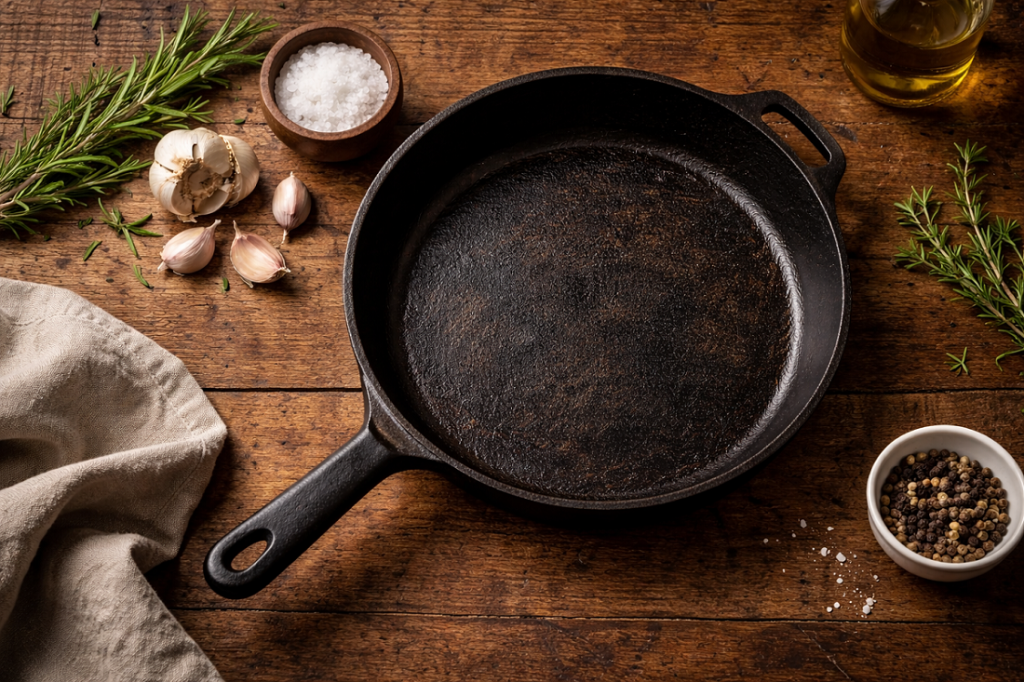
Cast iron cookware has been used for generations and is widely considered one of the healthiest cooking options.
Benefits:
- Naturally non-stick when properly seasoned
- Can add small amounts of iron to food
- Excellent heat retention for even cooking
Best for:
Cooking steak, cornbread, and crispy potatoes.
However, cast iron is heavier than most cookware and requires regular care. Always dry it immediately after washing to help prevent rust and maintain its quality over time.
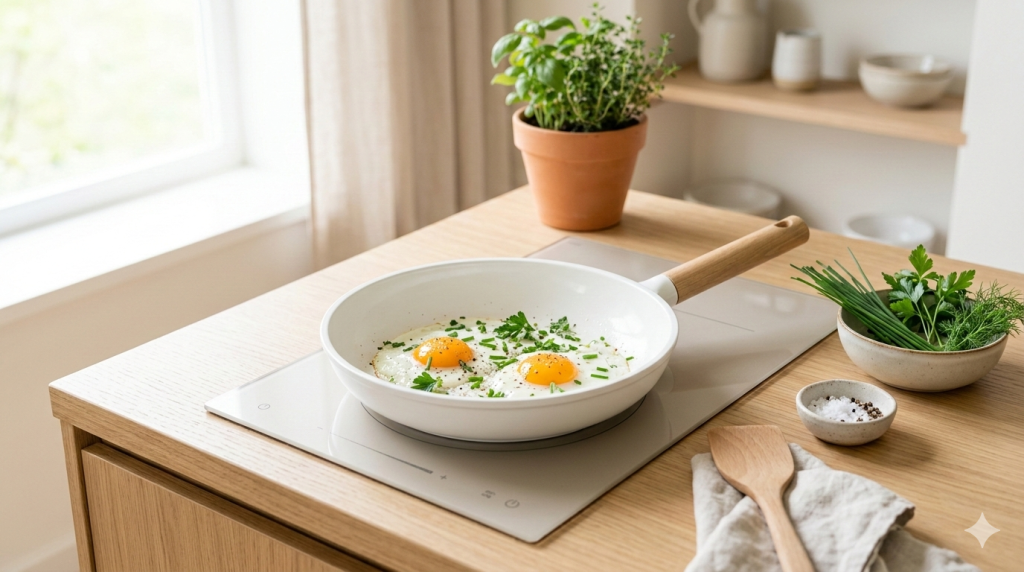
3. Ceramic Cookware (Modern and Beautiful)
This type of cookware has become trendy and is highly preferred by people who want a non-stick cooking experience without harsh chemicals.
Why people love it:
- Smooth and easy cooking surface
- Simple to clean and maintain
- Often made without PFAS or PFOA coatings
Best for:
Eggs, pancakes, and other delicate foods.
Keep in mind:
This cookware may wear down over time, so using gentle utensils and cooking on medium heat is considered best practice for longer durability.
4. Glass Cookware (Great for Baking and Storage)
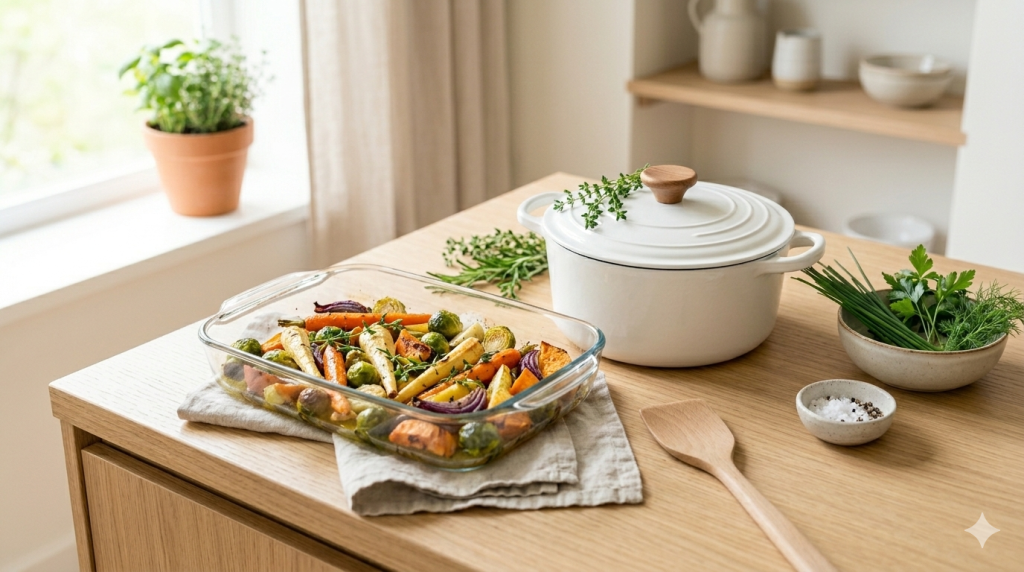
Glass cookware is often overlooked because of its fragile nature, yet it is one of the cleanest and safest cooking materials available.
Advantages:
- Non-reactive surface
- No metal layers or chemical coatings
- Safe for oven use
Best for:
Baking casseroles, roasting vegetables, and meal-prep
5. Enamel-Coated Dutch Ovens (Safe and Versatile)
Enamel-coated cookware is popular today because it combines the strength of cast iron with a smooth, protective surface.
Why it works well:
- No direct metal contact with food
- Excellent for slow cooking
- Attractive enough for serving at the table
Best for:
Soups, stews, and bread baking.
Moreover, enamel-coated cookware is a wonderful choice for family-style meals, offering both functionality and visual appeal.
Cookware Materials to Avoid or Use Carefully
Cookware Types That Need Extra Caution
It is true that not all cookware is unsafe. However, some types require extra care and attention.
Traditional Non-Stick Coatings
Older non-stick pans may contain chemicals that can break down when exposed to high heat.
Signs it’s time to replace them:
- Visible scratches
- Peeling or flaking coating
- Food sticking more than usual
Uncoated Aluminum
Aluminum cookware is lightweight and commonly used. However, it can react with acidic foods such as tomatoes or citrus.
For safer cooking, it is better to choose anodized or properly coated aluminum cookware.
How to Choose the Right Cookware for Your Kitchen
Choosing the best cookware depends on your cooking habits—not just current trends.
Ask Yourself These Simple Questions:
What do you cook most often?
- Eggs and breakfast foods → Ceramic cookware
- Soups and stews → Enamel-coated Dutch oven
- Daily stir-fries → Stainless steel
Do you prefer easy cleaning?
Ceramic and enamel cookware are usually easier for beginners.
Do you want long-term durability?
Cast iron and stainless steel can last for many years with proper care.
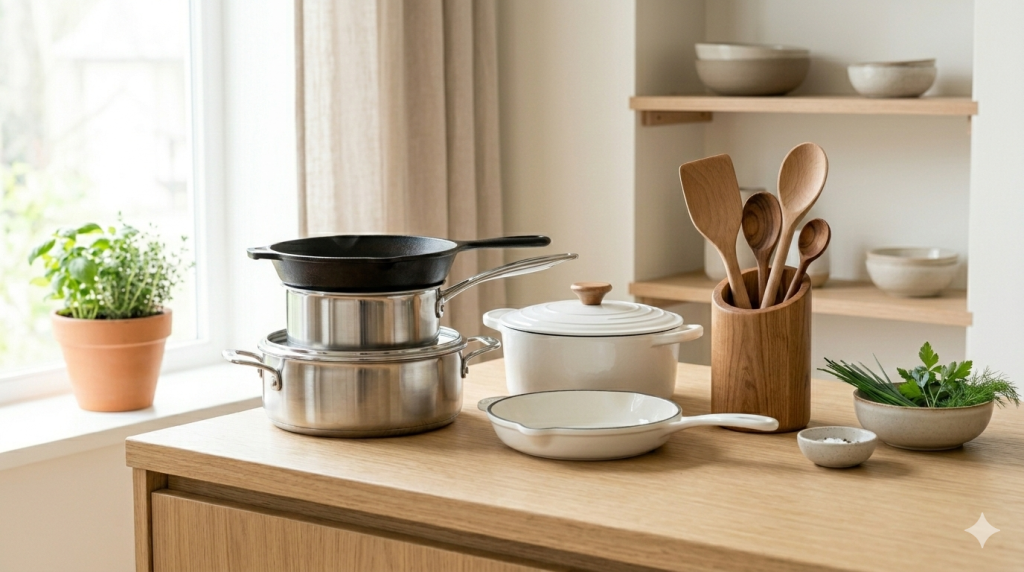
A balanced kitchen typically includes two or three different cookware types. This approach helps you build the best non-toxic cookware setup for everyday cooking without stress.
Everyday Cooking Examples Using Non-Toxic Cookware
Let’s make this practical with real-life examples:
- Cooking scrambled eggs? Use a ceramic pan on low heat.
- Making chicken soup? A stainless steel pot works perfectly.
- Baking roasted vegetables? Glass cookware keeps flavors clean.
- Preparing a weekend stew? Enamel-coated Dutch ovens shine here.
When the cookware matches the meal, cooking becomes easier, safer, and healthier.
Care Tips to Keep Non-Toxic Cookware Safe and Long-Lasting
Even the safest cookware needs proper care to stay effective.
Simple rules for everyday use:
- Avoid overheating empty pans
- Use wooden or silicone utensils
- Hand wash whenever possible
- Store pans carefully to prevent scratches
Moreover, following these habits helps extend the life of your cookware while keeping your kitchen safe and healthy.
Conclusion: Building a Safer Kitchen in 2026
Choosing non-toxic cookware is one of the simplest ways to build a healthier cooking routine. You don’t need to replace everything at once. Start small by switching one or two essential items, such as a stainless steel pan or a ceramic skillet.
The goal is not perfection but creating safer everyday cooking habits that feel natural and sustainable. The best non-toxic cookware for everyday cooking is the type that fits your lifestyle, supports healthy meals, and remains durable for years.
Cooking should feel joyful, comfortable, and safe. With the right materials and mindful choices, your kitchen can become a healthier space for you and the people you care about.
FAQs: Best Non-Toxic Cookware for Healthy Cooking
1. What is the safest cookware material for everyday use?
Definitely, stainless steel is one of the safest and most versatile options for daily cooking.
3. Does cast iron cookware have any health benefits?
Yes, cast iron can naturally contain small amounts of iron to food, which may benefit some people.
5. Can I build a non-toxic kitchen without buying everything at once?
Absolutely. The best approach is to start with the cookware you use most often and upgrade gradually over time as your needs and budget allow.
2. Is ceramic cookware completely non-toxic?
Most modern ceramic cookware is considered safe, especially when free from PFAS and other harmful chemicals. Always use it on medium heat.
4. How do I know when to replace a non-stick pan?
If the coating is scratched or peeling, or no longer smooth, it’s best time to replace it.
Transparency Note: This article was created with AI assistance to improve clarity, structure, and human-like flow while keeping the information original, practical, and trustworthy.
Pingback: Gas Stove Safety Guide: Essential Tips for Your Kitchen safety - kitchengenius.shop